Most outdoor spaces feel like an afterthought, disconnected from the home’s interior design. That’s why families often struggle to enjoy a true indoor outdoor living flow. When pools and patios are planned with the same care and discipline as your living rooms, you get a seamless transition that feels intentional and personal. Let’s explore how this approach brings calm and confidence to your home, inside and out.
Planning Outdoor Spaces Like Interiors
Creating a seamless indoor-outdoor connection starts with a clear vision for both spaces. By treating outdoor areas like your interior rooms, you ensure a cohesive flow that makes your home feel complete.
Integrating Indoor and Outdoor Flow
When thinking about integrating indoor and outdoor spaces, start with how you move through your home. Imagine the path you take from inside to outside. Is it easy and inviting? For a home that feels harmonious, consider how the flow from your living room to your patio enhances your daily life. The right layout can make hosting a breeze and transform everyday moments into something special.
A key factor in achieving this flow is aligning the design of your indoor and outdoor areas. Think of your patio as an extension of your living room. Use similar colors and textures to create a continuation of your home’s interior style. This way, when you step outside, it feels like a natural progression rather than an abrupt change.
Coordinating Materials and Design Elements
Choosing the right materials is crucial for a unified look. Match or complement your interior finishes with those outside. If your living room has wood flooring, consider a similar tone for your deck. Consistency in materials helps create an indoor outdoor living experience that feels seamless and intentional.
Pay attention to design elements like furniture and decor. Outdoor furniture should echo the style of your inside spaces. For instance, if your home has a modern aesthetic, look for patio pieces with clean lines and contemporary materials. This continuity in design keeps the aesthetic flow intact, ensuring every part of your home feels connected.
Creating Seamless Transitions
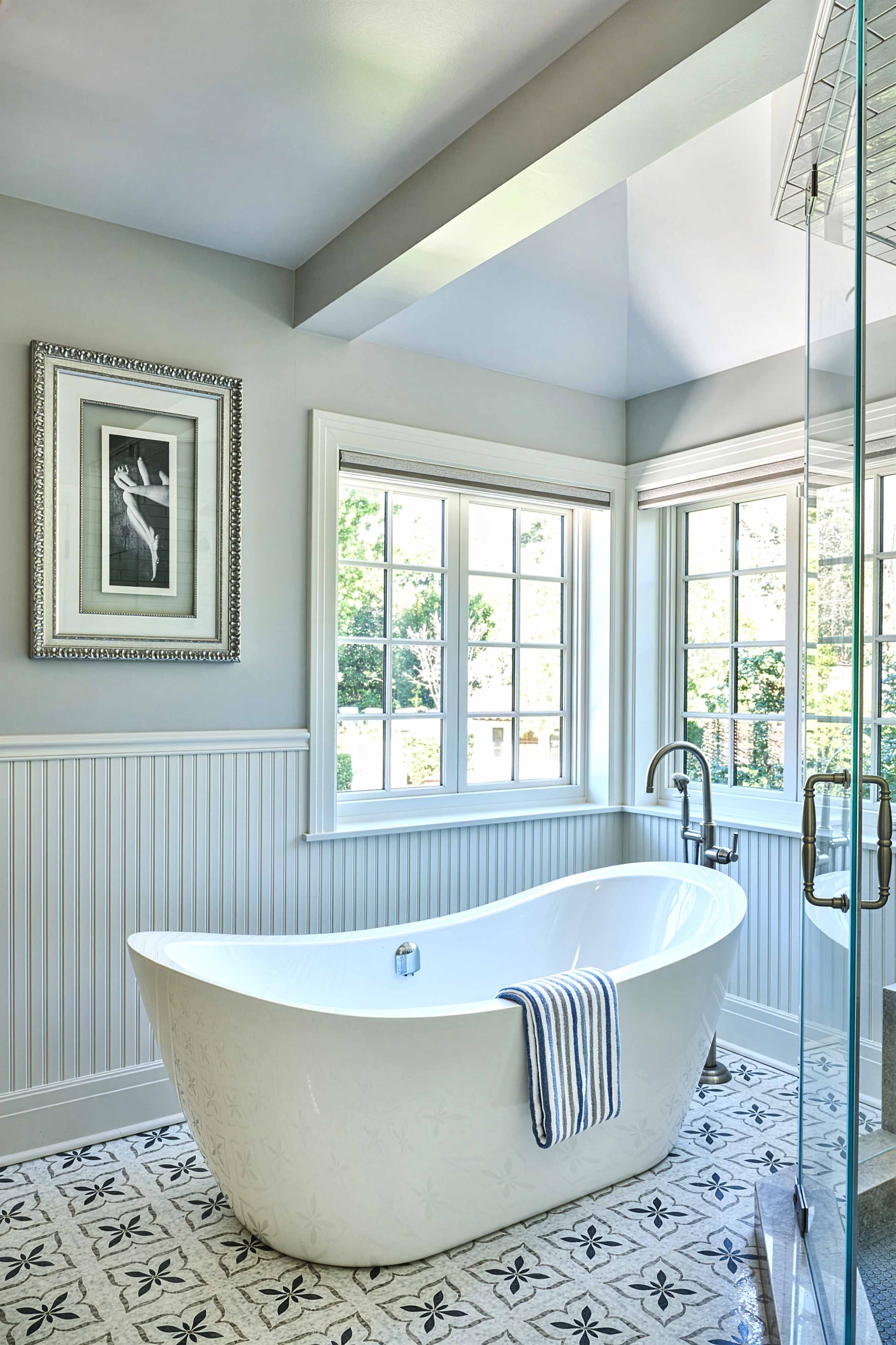
To achieve seamless transitions between your indoor and outdoor spaces, focus on the visual connections that guide the eye and invite movement.
Aligning Sightlines and Proportions
Consider how sightlines influence your perception of space. Open views from your interior to your outdoor area can make both spaces feel larger and more inviting. When planning your outdoor design, think about what you want to see from inside your home. Do you want to enjoy a view of your garden or pool? Position elements to create a pleasing vista.
Proportions are also key. The size and scale of your outdoor features should complement your home’s architecture. A large patio or pool can overwhelm a small home, while too-small elements may seem out of place. Aim for balance to create a harmonious flow that feels just right.
Door and Window Strategies for Flow
Doors and windows are the gateways between your indoor and outdoor spaces. Choosing the right styles can enhance the flow of your home. Sliding glass doors are a popular choice, offering wide openings that blend the boundaries between inside and out. They allow natural light to flood your interior, creating a bright and airy feel.
Consider the placement of your windows and doors to maximize views and access. For example, a window positioned to frame your garden or pool can act as a living picture that changes with the seasons. Thoughtful placement and design of these elements can significantly enhance your home’s overall flow and functionality.
Comprehensive Design-Build Approach
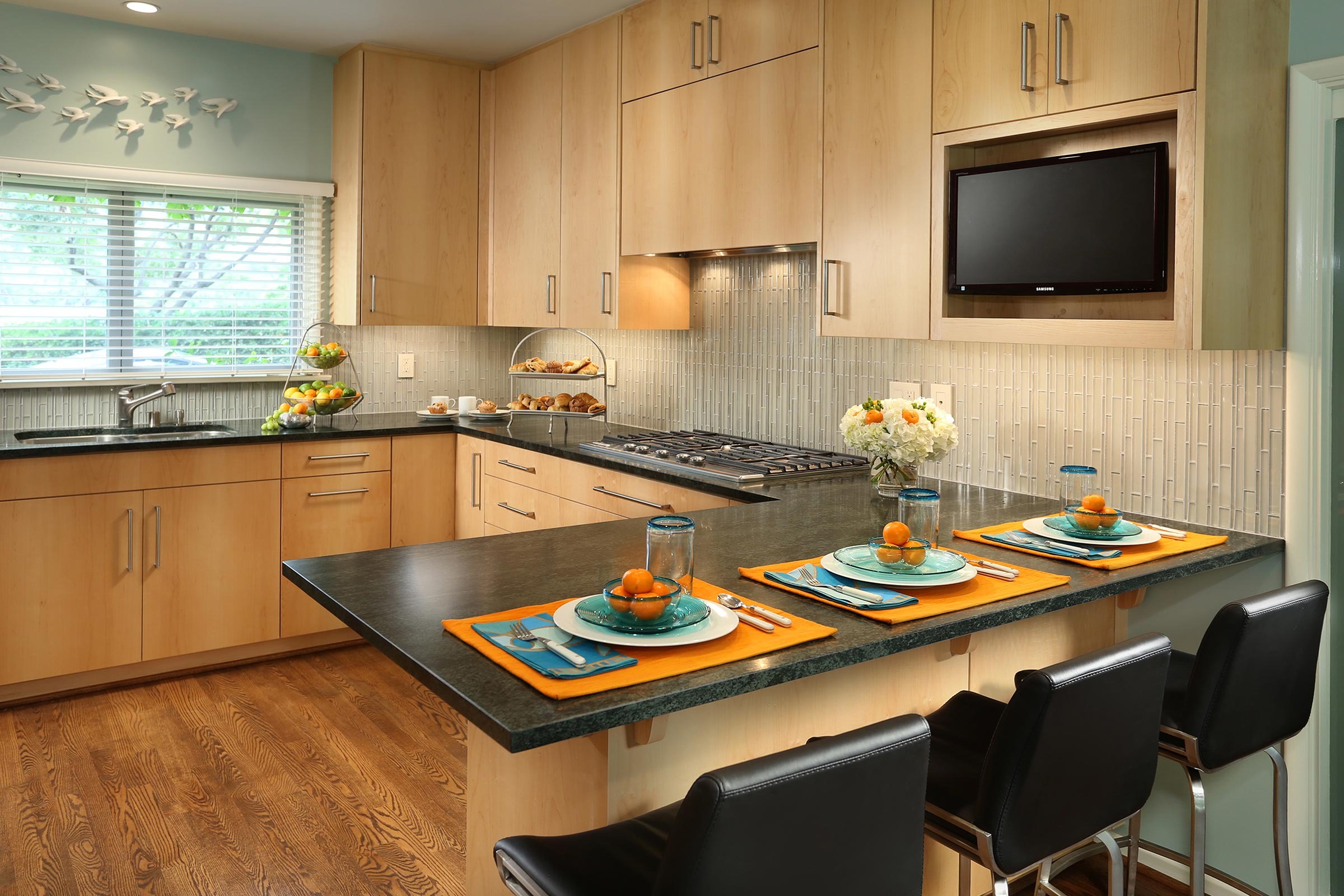
A unified design and build process ensures that every element of your home, from architecture to interiors, works together seamlessly.
Streamlined Project Management
Working with a single team for your design and build needs offers numerous benefits. It ensures clear communication and consistency throughout the project. With over 40 years of experience, our team understands how to manage every aspect, from initial concept to final construction. This comprehensive approach helps avoid common pitfalls of juggling multiple vendors, saving you time and reducing stress.
Our proven method means your project stays on schedule and on budget. You benefit from a streamlined process where every detail is considered and executed with precision. This efficiency is key to achieving a cohesive home design that meets your expectations.
Client Testimonials and Success Stories
Don’t just take our word for it—our clients have experienced the benefits of a coordinated design and build approach. One homeowner shared how their pool and patio, designed as an extension of their living room, became the heart of their home. Family gatherings are now centered around this space, with indoor and outdoor areas flowing naturally together.
Another client appreciated the ease of working with a single team, noting how our expertise and attention to detail brought their vision to life. These success stories highlight the transformative power of thoughtful design, encouraging more families to embrace a holistic approach to home renovation.
Frequently Asked Questions
How can I make my patio feel like an extension of my living room?
Choose materials and colors that match or complement your interior design. Use similar styles of furniture and decor to create a cohesive look that flows from inside to out.
What are the benefits of a design-build approach for my outdoor project?
A design-build approach streamlines communication and ensures consistency from start to finish. This means your project stays on track and budget, delivering a cohesive design that meets your needs.
Why is sightline alignment important in design?
Aligning sightlines allows for open views that connect indoor and outdoor spaces, making both feel larger and more inviting. Strategic placement of elements creates a seamless visual flow throughout your home.
What types of doors enhance indoor-outdoor flow?
Sliding glass doors are ideal for blending indoor and outdoor spaces. They offer wide openings and allow natural light to illuminate your interior, enhancing the overall flow of your home.
How does coordinating materials affect outdoor design?
Using materials that match or complement your interior finishes creates a seamless transition between spaces. This consistency in design elements helps achieve a cohesive aesthetic throughout your home.